Yoga
Yoga for Stress, Anxiety and Better Sleep: Gentle Practices That Help
Yoga for stress, anxiety and better sleep: gentle breathing, restorative poses and yoga nidra to try tonight, and when to check in with your doctor first.
Stories, teachings and seasonal wisdom from Amanda DiGiovanna and the Revolution Yoga teachers: yoga philosophy, Ayurveda, teacher training, family life and living lightly on the earth.
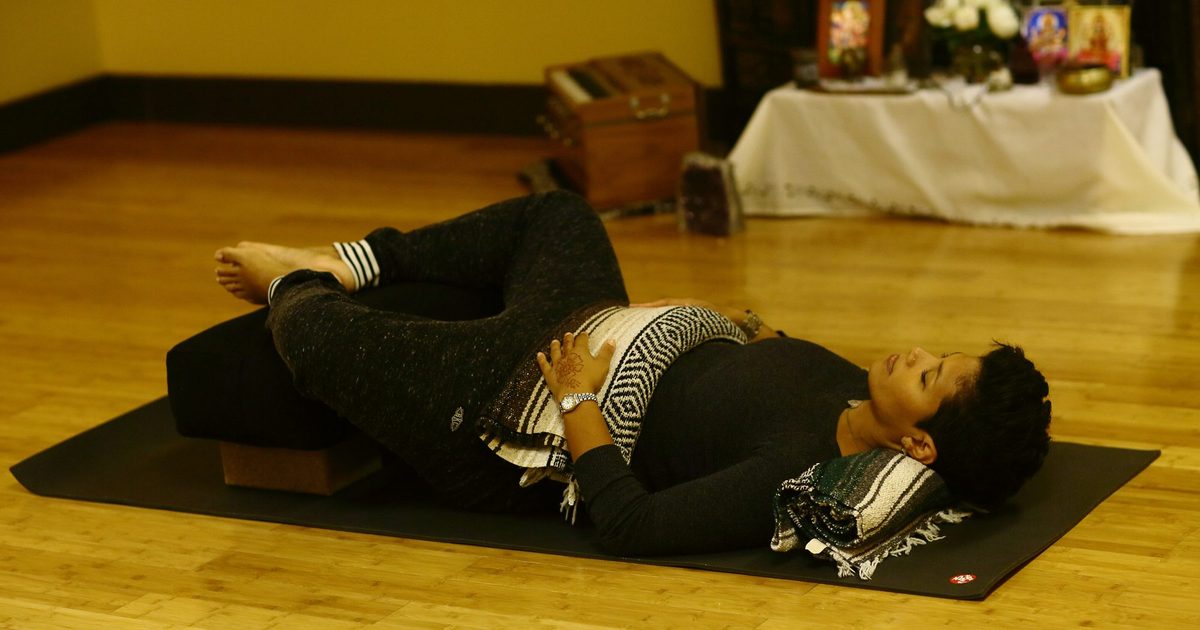
Yoga for stress, anxiety and better sleep: gentle breathing, restorative poses and yoga nidra to try tonight, and when to check in with your doctor first.
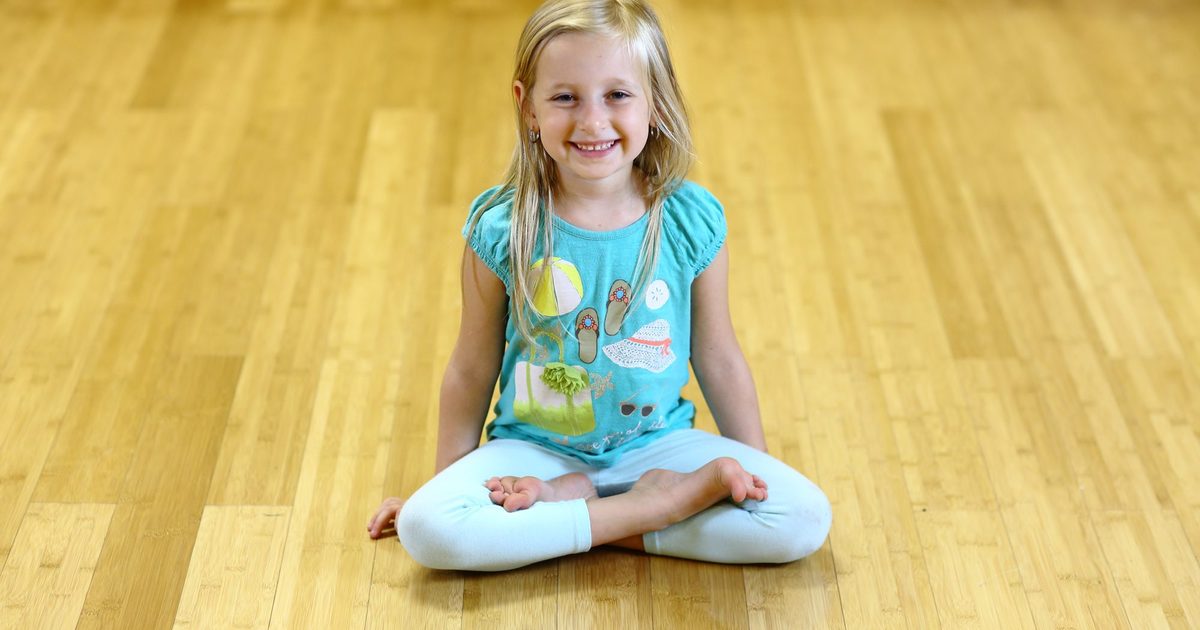
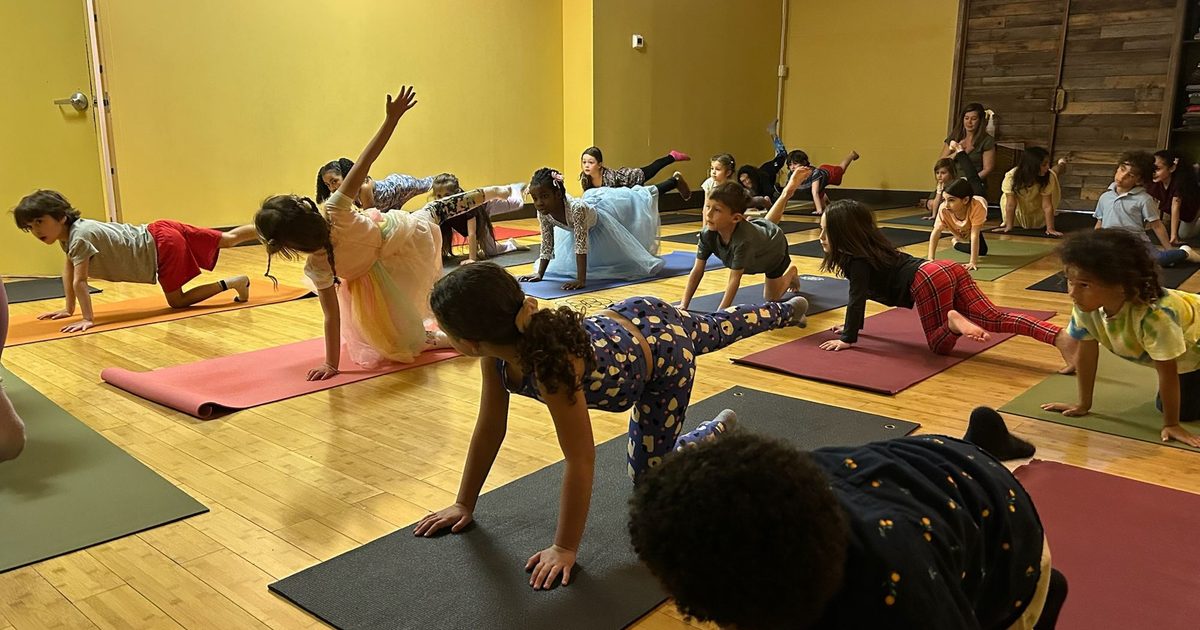
Easy kids yoga poses, breathing tricks and games to try at home, plus why yoga helps children with focus and calm. Kids classes in Rockville Centre, NY.
Yoga membership vs class pack vs drop-in: how to choose based on how often you practice, what each includes, and the simple math to find your best value.
Yoga birthday party ideas for kids: fun themes, games and crafts by age, how to plan the day, and party packages at our Rockville Centre studio on Long Island.
What polyester is, why synthetic yoga clothes shed microfibers in the wash, how natural fibers feel in practice, and simple swaps for a less plastic wardrobe.
Why our family and our shop lean toward simple wooden toys, plus a practical checklist for choosing safe, well-made natural toys your kids will actually use.
Many people join a 200-hour yoga teacher training with no plan to teach. Here is what they get out of it, and how to tell if it's the right time for you.
Why take a private yoga class? The real benefits of one-on-one yoga, who it helps most, what a first session looks like, and home vs studio sessions.
What to expect in your first yoga class: what to wear and bring, when to arrive, studio etiquette, and how modifications work. A friendly beginner's guide.
What to do after yoga teacher training: how new teachers build confidence, get real teaching experience, find mentorship, and why an apprenticeship can help.
A module-by-module look at what you study in our 200-hour yoga teacher training, from anatomy and philosophy to practice teaching, kids yoga and business.
What is a yoga workshop and how is it different from a regular class? The kinds of workshops, who they're for, what to expect and how to pick your first one.
What is a yoga life coach? How yogic coaching blends yoga philosophy, Ayurveda and Vedic astrology into practical guidance, and who it helps most.
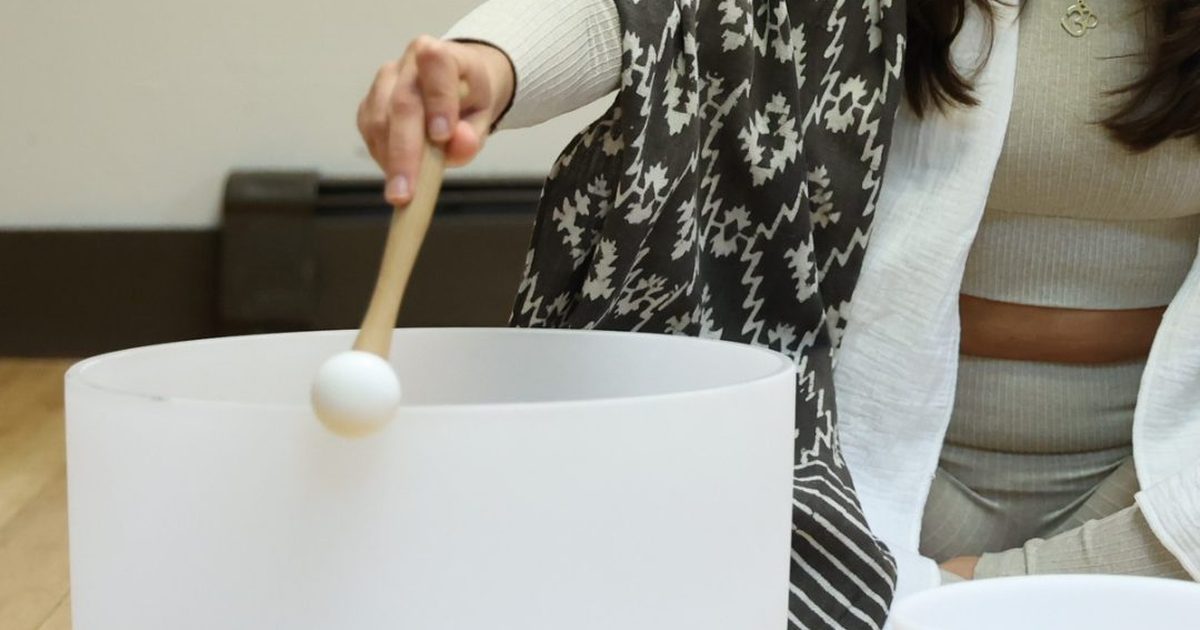
What is a sound bath, and what does it feel like? What happens during one, the instruments used, how to prepare, and where to find sound baths on Long Island.
What is a 300-hour yoga teacher training, who is it for, and do you need one? What you study, how it leads to RYT-500, and how to know if you're ready for it.
What is vinyasa yoga? What the word means, what a vinyasa flow class feels like, how it compares to hatha and yin, and how to know if flow is right for you.
What is Thai yoga bodywork? How this clothed, floor-based practice of assisted stretching and acupressure works, what to wear, and how to book a session.
What is sadhana? The meaning of this Sanskrit word, what a daily spiritual practice can look like, how to start one at home, and free texts to begin with.
What is kirtan? A beginner's guide to call and response chanting: where it comes from, what happens at a kirtan, what to bring, and why you needn't sing well.
What is donation-based yoga? How pay-what-you-can classes work, how much to give, who they're for, and where donations go at our Rockville Centre classes.
What is Ayurveda? A simple introduction to yoga's sister science: the three doshas, daily routine, seasonal living, and what a consultation is like.
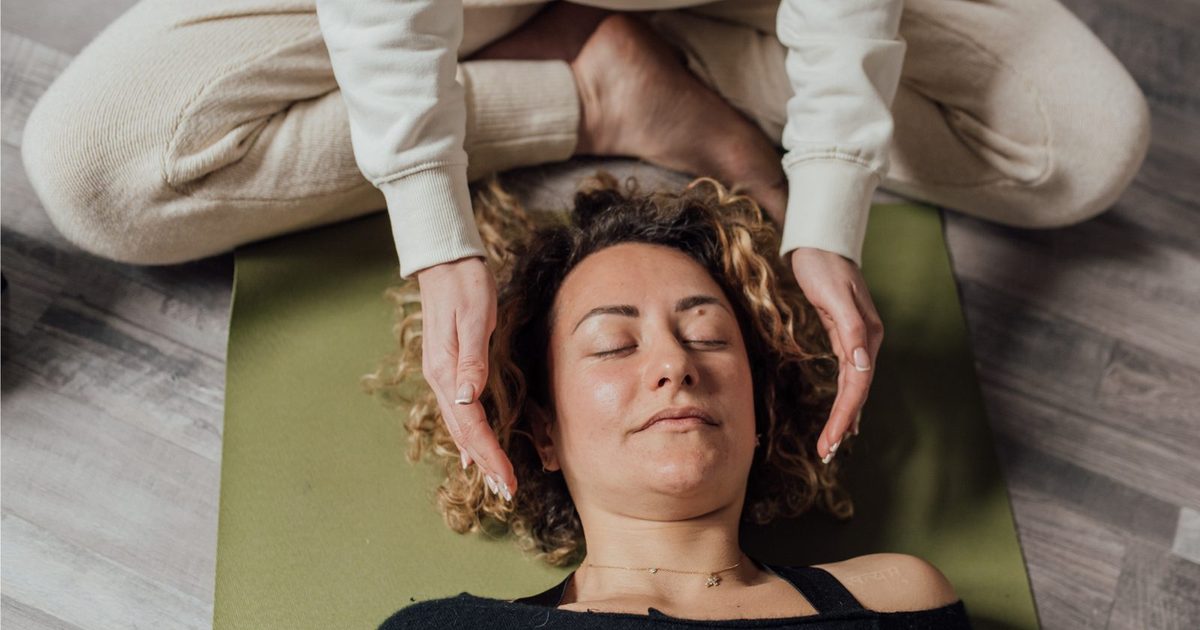
What happens in a Reiki session? What Reiki is, what it feels like, how a session flows from start to finish, and how to book Reiki in Rockville Centre.
What happens at a yoga retreat? A typical day, what's included, whether beginners belong, what to pack, and how to choose between a day retreat and a week away.
What does a sound healer do? The instruments, what a session or sound bath involves, the skills that matter, and how to train with no musical background.
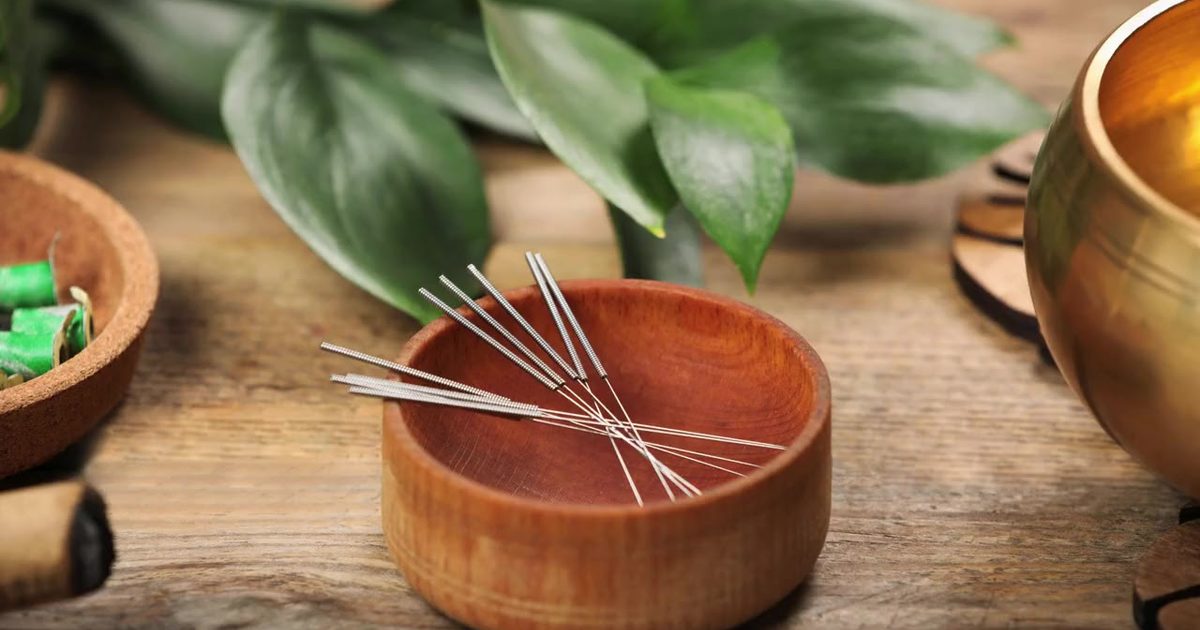
What does acupuncture feel like? How the needles feel, what happens in a first session, how to prepare, and how acupuncture can support your yoga practice.
The benefits of prenatal yoga in plain English: easing common aches, building steadiness, calming breath, rest and gentle birth prep, plus classes near you.
Restorative yoga vs yin yoga: both are slow and still, but they feel very different. How each one works, who it suits, and how to pick the right class.
RYT-200 vs RYT-500 explained in plain English: what each yoga teacher designation means, how you earn them, and whether the extra 300 hours are right for you.
Postnatal yoga: when to start after birth, why medical clearance comes first, pelvic floor and diastasis awareness, and what to expect when you bring baby.
What open-ended play is, why simple toys like blocks, figures and art supplies hold kids' attention longer, and easy ways to encourage it at home.
Trying to choose between an online and in-person 200-hour yoga teacher training? An honest look at the tradeoffs, costs and questions to ask before you enroll.
A stage-by-stage guide to Montessori-inspired toys from birth to 3 years: what your child is working on at each age and a few simple natural toys to match.
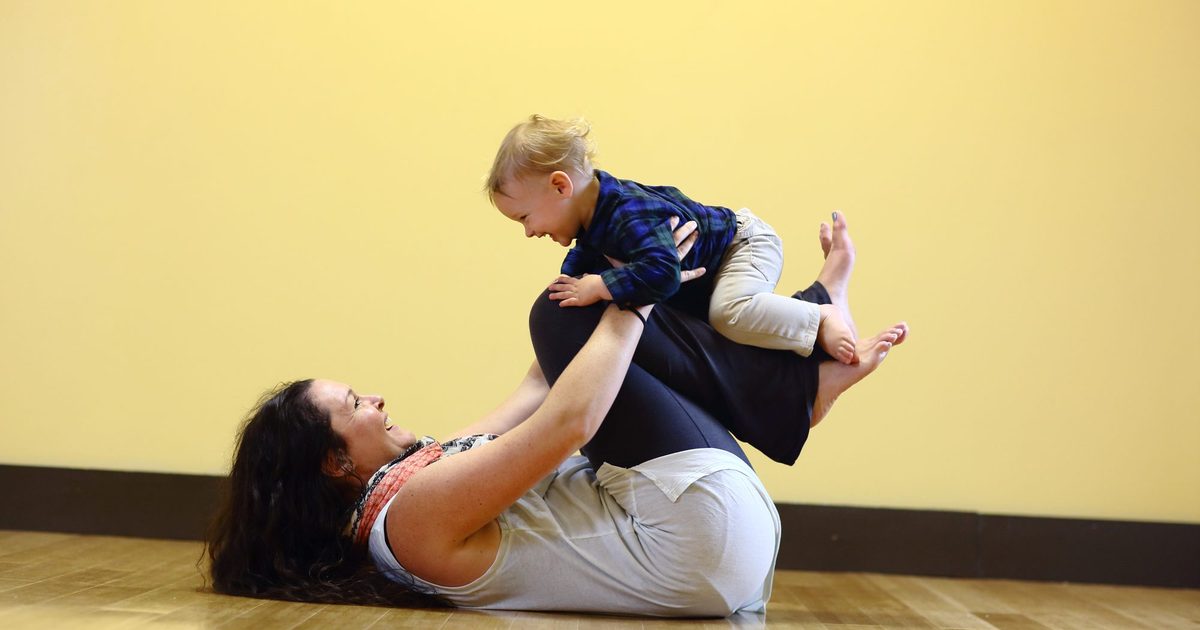
What is Mommy and Me yoga? A playful class for ages 2 to 5 with a parent or caregiver: songs, games and movement, what to bring, and why toddlers love it.
How to set up a calm, Montessori-inspired play space at home with low shelves, fewer toys and simple rotation, so kids play longer and cleanup gets easier.
Is yoga good for back pain? When gentle yoga can help, when to see a doctor first, poses that often feel good, and how to practice safely with an ache.
Is prenatal yoga safe? A gentle trimester-by-trimester guide: what to modify, poses to skip, warning signs to stop, and why to check with your OB first.
Is online yoga as good as in-studio yoga? An honest look at the pros of each, when livestream or on demand works best, and how to get more from home practice.
How to teach yoga to kids: how to structure a class, adapt it for each age, keep children engaged with games and stories, and where to train as a kids teacher.
How to teach postnatal yoga safely and kindly: recovery after birth, core and pelvic floor care, mom and baby classes, and training to support new mothers well.
How to choose a yoga mat: natural materials like cork and rubber, how thick a mat should be, grip, size and care, plus props that make a home practice easier.
How to become a yin yoga teacher: the training you need, what you'll study, the skills that matter most, and how to learn yin at your own pace from anywhere.
How to become a restorative yoga teacher: the training, the prop and nervous system skills you need, and how to study restorative yoga online at your own pace.
How to become a meditation teacher: build your own practice, choose a meditation certification, learn to guide others, and where meditation leaders can teach.
How to become a certified prenatal yoga teacher: what a prenatal training covers, the Yoga Alliance path, who can take it, and how to study online at your pace.
How often should you do yoga to see results? An honest answer from a studio owner: why consistency beats intensity, and how to build a routine you can keep.
How do kids benefit from a children's yoga class? Focus, body awareness, calm, confidence and friendship, plus what a class for ages 5 to 10 looks like.
Gentle yoga for beginners: what a gentle class is like, simple poses to try at home, how to start if you're stiff or out of practice, and which class to try.
Corporate yoga benefits for teams: stress relief, focus and connection, plus how on-site and studio programs work for Long Island offices and businesses.
Continuing education for yoga teachers: what to study after your 200-hour, how to pick topics that help your classes now, and short trainings to start today.
Chiropractic care and yoga: how they work together, what a chiropractic visit involves, when to see a chiropractor, and how to practice yoga between visits.
Feeling scattered, dry or wired this fall? A simple Ayurvedic routine for Vata season with warm foods, oil massage, steady rhythms and cozy herbal teas.
Amanda on attention as nourishment: the Cherokee tale of two wolves, the two birds of the Upanishads, and stepping back far enough to see and choose.
When the storm feels endless, Amanda turns to the Bhagavad Gita: moha, dharma and the witness within, and why we only ever need to reach for the next rung.
When life turns unpredictable, Amanda shares her teacher's fish-and-hook analogy for avidya and raga, and asks what the unexpected is shifting us toward.
Amanda on welcoming the whole family of emotions, releasing older versions of ourselves and each other, and the steadiness that lets real joy return.
What do the yogis say about love? Amanda explores polarity, Ida and Pingala, and how inner balance turns relationships into mirrors rather than battlegrounds.
Amanda on self-worth, the unconscious mind and the nervous system, and how yoga helps us accept the life we truly desire as a new year begins.
As the year closes, Amanda reflects on emotions as movements of prana and teachers of dharma, and how allowing rather than gripping turns them into superpowers.
Amanda on how gratitude overflows into seva (selfless service), with a message from teacher Lisa Braun and the story of Krishna and his childhood friend Sudama.
Amanda on decision fatigue and the yogic pairing of discernment (viveka) and non-attachment (vairagya): learning to choose what is good over what is pleasant.
Amanda explores satya (truthfulness) in its many layers, from not speaking a lie to recognizing the eternal, blissful truth of who we really are.
Through the Chandogya Upanishad story of Svetaketu and the salt, Amanda explores our urge to control the outer world, and tapas as the path back to inner peace.
When her 20-year-old car gave out under a full moon, Amanda sensed a larger shift. A letter on contraction before expansion and staying steady in change.
The story of a man who found freedom inside a jail cell, and what it teaches about frequency, inner states and why our outer reality mirrors our inner one.
Explaining Hammurabi's Code to a 7-year-old leads Amanda to svadhyaya (self-study), unconditional love, and why peace of mind is worth more than hitting back.
The sage Dattatreya called the Earth one of his greatest teachers. Amanda reflects on tapas, the discipline to stay present in discomfort, on and off the mat.
A Buddhist monk's story of an enlightened newborn leads Amanda to unconditional love and samana, equal vision of all beings, as the path to lasting peace.
Starting the new year with the basics: Amanda on ahimsa and satya, the yogic guardrails that keep the mind peaceful, and her vision for the eight limbs in 2025.
Amanda uses the Vedic image of making ghee to describe a world in transformation, and why showing up to practice now serves not just ourselves but humanity.
A line from Satchidananda's Yoga Sutras that Amanda often needs herself: we can be serene even in the midst of calamities, and serenity is contagious.
Where hot and cold meet, storms follow, inside and out. Amanda on supporting the body through seasonal change with rest, decluttering, journaling and practice.
Amanda on projection, tracing reactions back to their roots, and the Gita's teaching that it is better to do your own duty imperfectly than another's perfectly.
Amanda on the loneliness of struggle, getting comfortable in groundlessness, and how developing the inner world turns life's free fall into joy and presence.
All the Vedic stories boil down to one question: what is the intention behind what you do? Amanda on presence, conscious choice and letting love lead.
As Revolution Yoga nears its 14th year, Amanda shares how the studio will stay accessible: donation classes, scholarships, bartering and self-sufficiency.
Three jars of rice, spoken to with love, hate or nothing at all. Amanda on sankalpa (intention) and how our attention shapes our bodies, minds and lives.
Lessons from Amanda's backyard orchard: what we feed the roots shapes the fruit. On nourishing an open heart by leaning in rather than resisting what is.
Amanda on turning our guidance system inward, releasing the roles we play, and remembering that love is not something to find but what we already are.
Old videos stirred a wish that nothing would change. Amanda on the illusion of permanence, the river of discomfort and Ishvara Pranidhana (surrender).
“The person who moves a mountain begins by carrying away small stones.” Amanda on persistence, patient practice and reaching big dreams one day at a time.
Amanda on how unprocessed emotions get stuck in the body, and how asana and pranayama help us feel again, release the past and deepen our inner healing.
Life seen from a speeding car is a blur. Amanda invites us to slow down this fall and honor the transitions: between postures, breaths, thoughts and seasons.
As autumn's windy vata energy arrives, Amanda shares how Ritucharya (daily ritual), grounding food and daily asana keep body and mind balanced through the fall.
Amanda on Maya and the drift away from truth: how the mind fills in the pieces, and how every practice becomes a way of remembering who we truly are.
Real life unfolds slowly. Amanda on the patience yoga cultivates, relishing the process, and realizing that when life holds us still, we have been planted.
Swami Vivekananda's image of a drop of water becoming a pearl leads Amanda to association, social contagion and the shelter of a community striving for peace.
Amanda on reframing the past as a positive catalyst: none of it happened to you, all of it happened for you, and yoga helps us assign it a new meaning.
Reading Winnie the Pooh with her daughter, Amanda notices Eeyore's “why me” mode, and asks how we fortify body and mind for forces we can't control.
Ayurveda balances fiery spices with cooling ones. Amanda asks how we temper the spicy and the dull parts of life so we can digest our experiences into wisdom.
Amanda on why yoga philosophy feels like a map: understanding the predictable path of life helps us suffer less, accept more and walk the road with confidence.
Looking at honey won't give you its sweetness. Amanda on moving from passive observer to active participant in our own growth: yoga as integrity in action.
In the heat of August, Amanda explores fear as the root of hatred, emotions as something the body must digest, and the daily choice to act from love, not fear.
Nothing is good or bad; it is how we use it. Amanda on anger, the false ego (ahamkara) and how yoga arms us to meet our emotions with presence and integrity.
“I am stressed” or “my body/mind vehicle is stressed”? Amanda on the unchanging true self, and why the nervous system needs daily upkeep through practice.
After years of intensity in the world, Amanda shares how yoga, meditation and new healing circles help us process the darkness and move toward the light.
Spring, the reticular activating system and the stories that keep us small. Amanda on how yoga reshapes the mind to see what was in front of us all along.
A story about hidden emeralds leads Amanda to the path of mastery: breaking open, the raw first shift, and the patient polishing of whatever we're creating.
Amanda on the boxes and labels we place on others and ourselves, and how yoga asks us to see each being as they are: a teacher, walking us home.
A children's story of four candles (Peace, Faith, Love and Hope) and Amanda's reminder that the inner flame can never go out, and can light countless others.
At the close of 2020, Amanda sees exhaustion in everyone's eyes and names the lesson of the long haul: tolerance, patience and presence, as steady as a tree.
In a year that felt like a waiting game, Amanda invites us to make joy intentional through ritual and feed the soul's hunger for beauty, creation and presence.
What if surrender is not defeat but a gift? Teacher Meghan Henderson on the yogic meaning of surrender, from childhood memories to the yoga mat.
Six months of closure, a yoga sutra every morning and a community that held together: Amanda's gratitude as Revolution Yoga prepared to reopen in 2020.
The throat chakra, Vishuddha, sits between the head and the heart. Explore its symbolism, anatomy and a simple practice for listening and speaking truly.
Amanda on samana (equal vision of all beings), teaching the whole of yoga, and why anti-racism work is yoga work, written in the summer of 2020.
Yoga does not ask us to look away from suffering. Why spiritual bypassing misses the point, and how karma yoga calls us toward compassion in action.
Early in the pandemic, Amanda maps Maslow's hierarchy of needs onto the chakras and offers three practices for moving through collective trauma.
Teacher Mackenzie Truman came to yoga for a beach body and found bhakti, the yoga of devotion. What devotion means and how it grows from the mat outward.
Years of running a business taught Amanda that chaos precedes growth. In April 2020 she offers presence as the tool that turns this painful time into a cocoon.
Teacher Adriana Garcia on losing her dog, grieving her father and finding a reservoir of love underneath it all. A reflection on grief as a doorway to healing.
Teacher Pamela Concannon planked every day for three years and discovered concentration, drishti and the yoga sutras' path to a calm, powerful mind.
The mind makes a terrible master and a wonderful servant. Amanda on building concentration so we can lead with wisdom instead of fear, as strange times began.
Karma is more than payback. Meredith Zelman Narissi unpacks karma as action, desire and intention, and what Patanjali's sutras say about true freedom.
From her garden, Amanda explores karma through the humble seed: samskaras planted in the mind, the cycles they create, and how meditation burns the seeds.
For the new decade, Amanda reflects on the many reincarnations within one lifetime and why a spiritual bucket list outlasts every material resolution.
A swami switched his bracelet every time he criticized someone. Amanda DiGiovanna on sattva, rajas, tamas and filling the mind with goodness instead.
Our culture pushes us toward extremes. Amanda DiGiovanna on tolerance, humility and the yamas and niyamas as guardrails that keep the soul on the road.
At the close of the decade, Amanda reflects on AUM, the cycle of the doshas and why nothing new can come together unless other things fall away.
Ayurveda divides the day into vata, pitta and kapha hours. Amanda DiGiovanna shows how to build a daily rhythm around them, with a simple planning chart.
The Srimad Bhagavatam teaches that the yogi holds no enmity, even toward those who hate them. Amanda DiGiovanna on emptying your enemy box for good.
Summer is pitta season: hot days, short tempers. Melissa Boo shares cooling yoga poses, breathwork, foods and scents to soften judgment and anger.
Why tempers flare in summer, and how Ayurveda and yoga cool the fire. Amanda DiGiovanna on pitta, anger, cooling foods and living as if all is on loan.
Ayurveda sees life's transitions, from postpartum to seasonal change, as vulnerable joints where deep healing can happen. How to meet them with self-care.
After a year of grief and codependency, Christina M. Rau went on a silent retreat and heard that giving is the path to joy. Here is how she found balance.
Teacher Adriana Garcia on how a sankalpa, a heartfelt intention set at the end of practice, carried her through divorce and hardship toward freedom.
Gratitude for sunrises is easy. SueJean Naglieri explores the harder practice: finding gratitude in pain and adversity, patiently and only when ready.
A teacher carries a stranger across a stream and lets it go. His student stews for hours. Jodi Langevin on noticing what we carry onto the yoga mat.
Stephanie Naham on saucha, the niyama of purity: how a clear body and environment support a clear mind, plus simple ways to practice it every day.
Common alignment mistakes in forward fold, plank, down dog, chaturanga, chair, triangle and more, with simple fixes from teacher Allison Dash.
Peace is not found, it is practiced. Danielle Ging on anxiety, the mind we carry everywhere, and simple focusing exercises to take yoga off the mat.
Gabriella Tripodi on the difference between loving and owning, and how Shiva and Shakti teach us to nurture sacred relationships, with others and ourselves.
Stay well through kapha season with Ayurveda: hygiene rituals, nasya, chyavanprash, a healing tea and a simple kitchari recipe from Amanda DiGiovanna.
Before asana come the yamas and niyamas. SueJean Naglieri walks through all ten restraints and observances, and how to practice them on and off the mat.
Autumn invites completion and renewal. Melissa Boo on seasonal traditions, a personal retreat and releasing false identities to reconnect with your true nature.
A clear guide to the seven major chakras: element, sound, color, signs of balance and imbalance, and yoga poses to support each one, by Allison Dash.
Teacher Allison Dash shares how therapy taught her the power of the mind, and teacher training the power of the soul, on the road to yogic freedom.
From a playground wedding at age seven to the love story of Radha and Krishna, Cali Pulice explores bhakti yoga and the practice of divine love.
Lisa Braun on Shiva and Shakti, the ida and pingala nadis, and yoga poses, breathwork and community practices to balance masculine and feminine energy.
Bec Gathmann-Landini confesses she is an emotional hoarder. A funny, honest take on saucha, purity, as clearing out the mental mess we no longer need.
Holding your breath in a hard pose? Gabriella Tripodi explains pranayama, how shallow breathing feeds anxiety, and how a slow breath brings you back.
As she changed on the mat, Renata Langer watched her community change too. A reflection on sangha, co-creating our reality and loving each other whole.
Winter pulls us to hibernate. Allie Kornbluth shares how a season of study in the mountains taught her to fix her gaze, find balance and come home to the mat.
Yoga philosophy on anger: why reacting in rage backfires, how Krishna taught Arjuna to act without hatred, and how to make anger a meditation point.
Fall is vata season, airy and dry. Two simple Ayurvedic recipes to stay grounded: a rich sesame chutney and a fall salad with a warming apple dressing.
When anxiety hits, you need relief, not analysis. Michelle Valdner shares seven simple tools, from 1:2 breathing to gentle yoga, to calm body and mind.
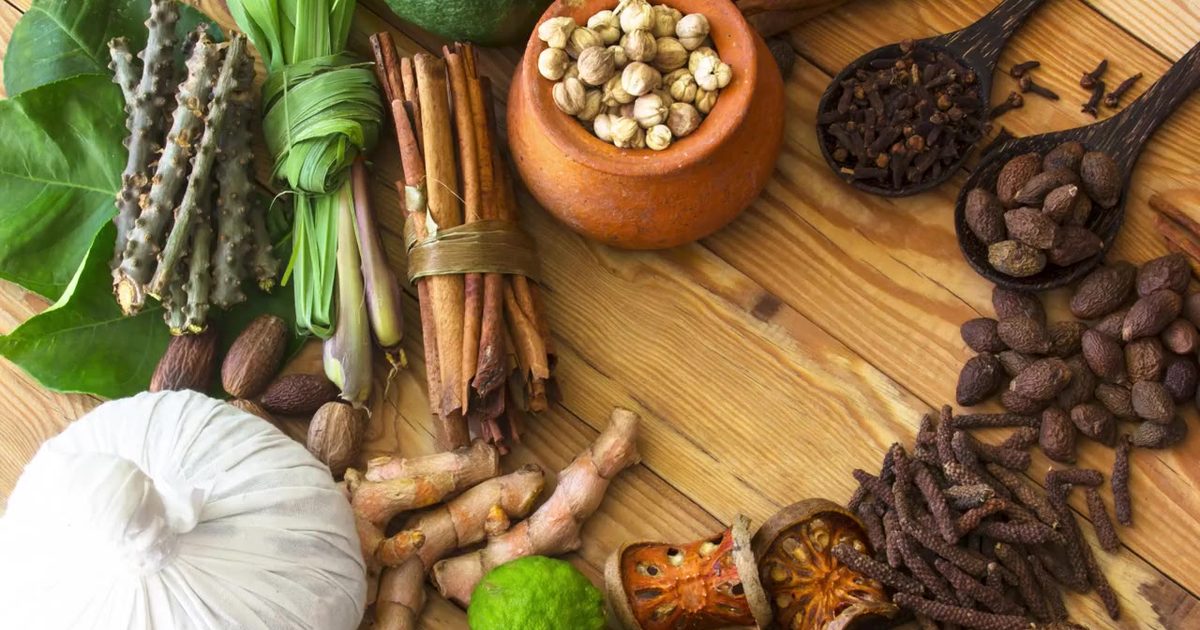
Cardamom is sweet, pungent and warming. How Ayurveda uses this beloved spice for digestion, fresh breath and the respiratory system, and ways to enjoy it.
Teacher Adriana Garcia fell flat out of headstand in front of the class. How small heartbreaks on the mat build strength, grace and real patience.
Set the tone for your day the Ayurvedic way: oil pulling, tongue scraping, warm lemon water and grounding breakfasts for the shift from summer to fall.
A grieving student asked for meditation, and a whole class practiced for her. Teacher Jodi Langevin on kula, the intentional community that forms on the mat.
Wabi sabi finds beauty in what is imperfect, unfinished and impermanent. Amanda DiGiovanna on bringing that wisdom to your yoga practice and your life.
Why our most humiliating moments can be our greatest gifts. Amanda DiGiovanna on masks, pedestals and how humility clears the path toward truth.
When did surrender come to mean defeat? SueJean Naglieri redefines letting go as courage: staying ambitious without clinging to outcomes, one breath at a time.
Restorative teacher Eva Houlihan spent weeks unable to move after surgery. Stillness made her sit with her thoughts, and a real meditation practice was born.
A world-famous chef turned a dropped dessert into a signature dish. Amanda DiGiovanna on chitta, old conditioning and learning to admire the hard stuff.
How much of life do we miss living in our heads? Teacher Lauren Petricca shares a two-minute morning noticing meditation that starts in mountain pose.
Keep your eyes on your own mat. Amanda DiGiovanna on comparison, drishti, doing your own karma and how presence reveals the path meant only for you.
Winter moves from airy vata to heavy kapha. Amanda DiGiovanna shares Ayurvedic lifestyle, diet and yoga tips to stay grounded, warm and healthy all season.
A deep study guide to the seven chakras and the nadis: the deity, element, bija mantra, poses, mudra and breath practice for each, by teacher Lisa Braun.
Military veteran and teacher Rafael Rivera shares how yoga and the Revolution community helped him heal after deployment, and where veterans can find support.
Fall is busy, and the transition can knock us off balance. Eva Houlihan explains how restorative yoga lowers stress, aids sleep and supports immunity.
Fall's winds stir up racing thoughts, dryness and overwhelm. Ayurveda explains why, and how a single point of focus, drishti, steadies mind and practice.
Why does yoga ask us to feel more? Amanda DiGiovanna on buddhi, the quiet inner voice, and how refining awareness pose by pose teaches us to trust ourselves.
A teacher's analogy: the body is a glove, shaped like the hand but not the hand. Amanda DiGiovanna on false identity, ahamkara and loving what lies beneath.
The Bhagavad Gita says the wise see all beings with equal vision. Amanda DiGiovanna on separatism, racism, Ram Dass and clearing ourselves to see others truly.
From a drafty apartment in Italy to brushing teeth in India, Amanda DiGiovanna on impermanence, maya and the witness within who never changes.
Vivekananda's story of a lion raised by sheep, and what it teaches about false identity. Yoga is the lake that shows you your true reflection.
Every culture turns inward at the winter solstice. Amanda DiGiovanna on the light within, building ojas in winter, and saying no to what drains you.
Allie Kornbluth gets honest about anger, separation and fear, and shares the yogic tools her teachers gave her: asana, cooling foods, breath, prayer and seva.
Can there be a peaceful warrior? Bec Gathmann on ahimsa as action: noticing injustice, checking our privilege and choosing the harder road of compassion.
Packing up old stuff, Jenya Raystes finds relics of people he no longer is. A reflection on impermanence, the Buddha's question and the I am behind change.
Spring shows us everything changes. Amanda DiGiovanna on non-attachment versus detachment, true renunciation, and why yoga fills you up so cravings fall away.
Allie Kornbluth shares her path from addiction to recovery, surfing and the yoga mat, and how saucha, purity, became her practice of service and gratitude.
Amanda DiGiovanna on the prayer to the guru that opened her teacher's classes, why we can never truly own anything, and gratitude for life's hardest lessons.
When Lisa Braun lost her job, everyone needed her to be OK. A spring reflection on sadhana, standing in the rubble, and rebuilding in your own time.