New mothers walk into a yoga room carrying a lot. Sometimes literally, with a car seat on one arm and a diaper bag on the other. They’re healing, tired, full of love and often a little unsure of their own bodies. If you want to learn how to teach postnatal yoga, the first thing to understand is that you’re not there to help anyone “bounce back.” You’re there to help them come home to themselves.
Here’s what I’d want every teacher to know.
What is postnatal yoga?
Postnatal yoga, sometimes called postpartum yoga, is yoga designed for the months after giving birth. It supports recovery of the body, especially the core and pelvic floor, and it supports the nervous system and emotional wellbeing during a huge life change.
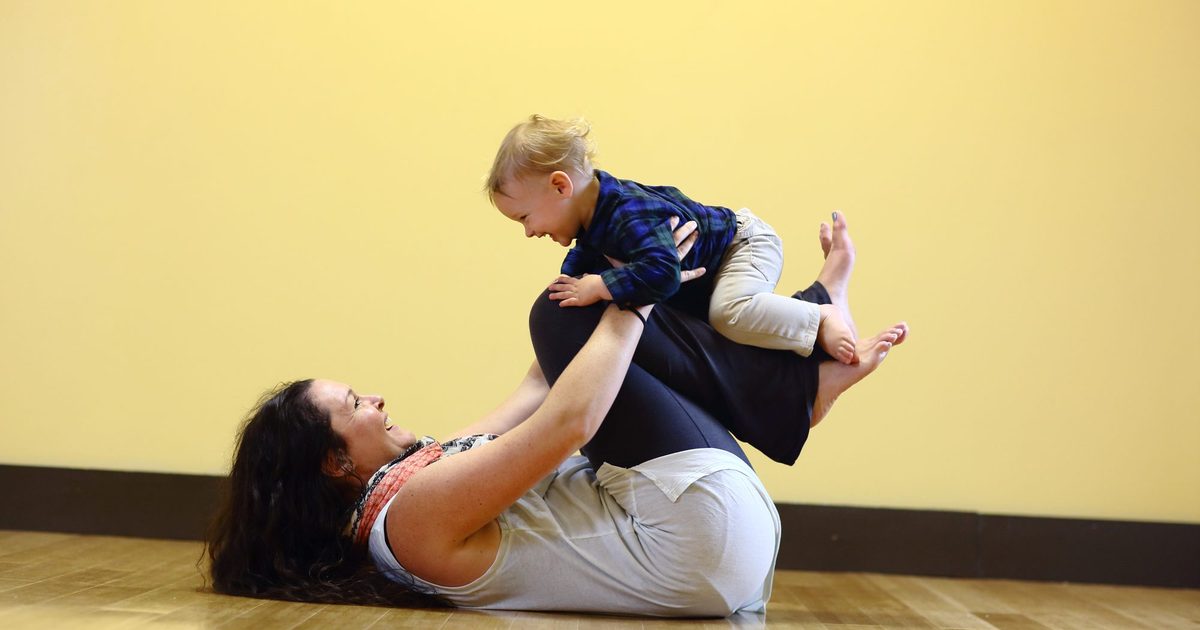
Many postnatal classes also welcome babies. Mom and baby yoga blends gentle movement for the parent with songs, stretches and bonding time for the little one.
Why postnatal teaching needs its own training
A general yoga training doesn’t prepare you for the postpartum body. Things to understand include:
- Pelvic floor recovery. The pelvic floor has been through a lot, whether birth was vaginal or by cesarean.
- Core changes, including diastasis recti, the separation of the abdominal muscles that’s common after pregnancy.
- Cesarean recovery. A C-section is major abdominal surgery, and recovery takes time.
- Posture changes from feeding, carrying and rocking a baby all day.
- Exhaustion. Sleep deprivation affects balance, mood and how much effort is appropriate.
- Emotional transitions. Identity shifts, big feelings and sometimes difficult birth experiences.
A postnatal teacher doesn’t diagnose or treat any of these. But you need to understand them well enough to teach safely, offer good options and know when to encourage a student to check in with her doctor or a pelvic floor specialist.
Key principles for teaching postnatal yoga
Rebuild gently, from the inside
Start with breath and connection to the deep core and pelvic floor before adding load. Slow, mindful movement comes before strength. Strength comes before intensity.
Always ask about clearance and recovery
Encourage students to have their healthcare provider’s okay before starting, and ask how they’re feeling each time. Recovery isn’t linear.
Make rest part of the practice
Restorative shapes and guided relaxation aren’t extra. For many new mothers, a few minutes of real rest is the most valuable part of class.
Offer choices, not rules
Every birth and every recovery is different. Trauma-aware language, lots of options and permission to stop are essential.
Plan for babies
If babies are in the room, your plan will change. Someone will need to feed, someone will cry, someone will need a diaper change. Build in flexibility and make it clear that all of this is welcome.
Build community
The postpartum months can be isolating. A few minutes of sharing at the start or end of class can matter as much as the poses.
What to include in a mom and baby yoga class
A simple structure that works well:
- Arrival and settling, with a short check-in
- Grounding breath for the parent
- Gentle movement for the parent, with baby nearby
- Baby yoga: songs, gentle stretches and play
- Infant massage or bonding time
- Rest for the parent, even if it’s short
Keep your language warm and relaxed. Nobody should feel behind.
How to become a postnatal yoga teacher
Most postnatal teachers start with a 200-hour yoga teacher training, then add a postnatal specialty. Birth workers, doulas and wellness professionals often take a postnatal training to add yoga and nervous system tools to the work they already do.
Our Postnatal Yoga Teacher Training covers ten modules:
- Foundations of postnatal yoga
- Postpartum anatomy and recovery, including pelvic floor, core, diastasis recti awareness and recovery after vaginal and cesarean birth
- Breathwork and nervous system support
- Mother and baby yoga
- Infant massage and baby yoga through crawling age
- Restorative and therapeutic yoga
- Trauma-aware and inclusive teaching
- Ayurveda and postpartum nourishment
- Community and emotional support
- Teaching methodology
Training details
The Postnatal Yoga Teacher Training is on demand and self-paced, with lifetime access. It opens in February 2027, and pre-enrollment is open now so you can be first in when it launches.
- Tuition: $199
- Format: recorded lectures, guided postnatal practices, sequencing templates, posture modifications and downloadable manuals, scripts and intake forms
- Certification: Postnatal Yoga Teacher Certification on completion
- Continuing education: Yoga Alliance CE credits for current RYTs
If you also want to support students before birth, our prenatal yoga teacher training is available now and includes an introduction to postpartum foundations.
See postnatal yoga in action
If you’re local to Rockville Centre or anywhere in Nassau County, one of the best ways to learn is to watch it happen. Our kids and family programs include postnatal yoga with baby and Mommy and Me classes, and you’ll see right away how different the room feels.
A gentle invitation
Supporting new mothers with patience and care is some of the most meaningful work a yoga teacher can do. If you feel pulled toward it, pre-enroll now and you’ll be ready to begin in February.