“What do you actually do in a teacher training?”
People ask me this all the time, usually with a mix of curiosity and nerves. They picture hours of intense physical practice, or memorizing Sanskrit, or a final exam where you have to do a perfect headstand.
Some of that is in there (the Sanskrit, a little). Most of it is different from what people expect. Here’s an honest walk through what you’ll study in our 200-hour training, module by module.
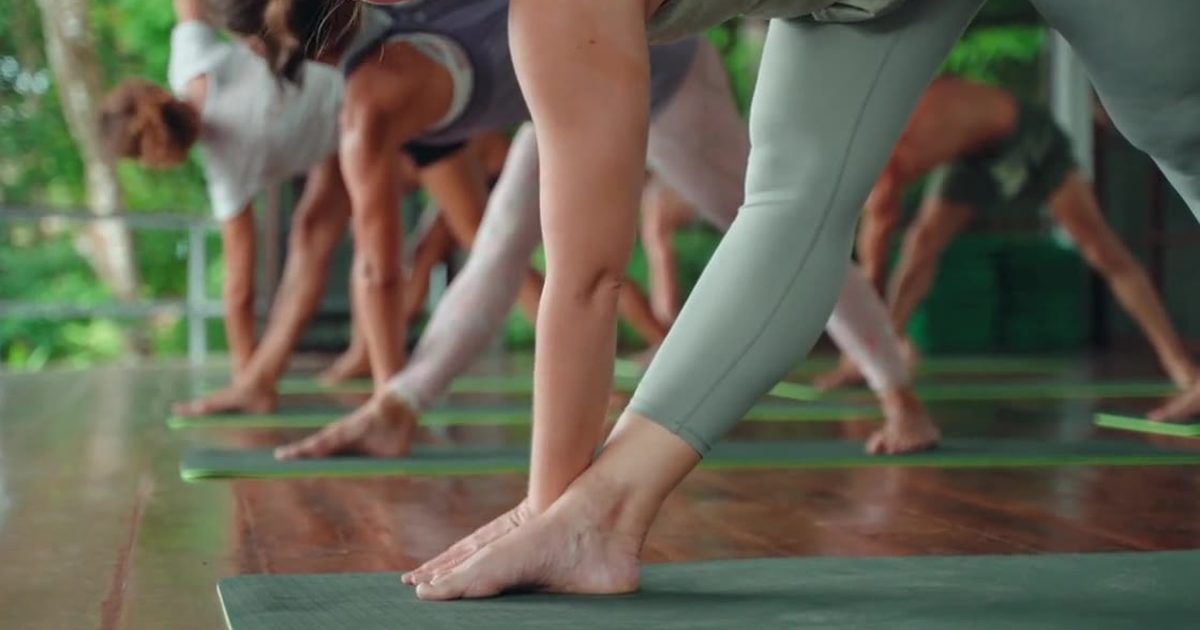
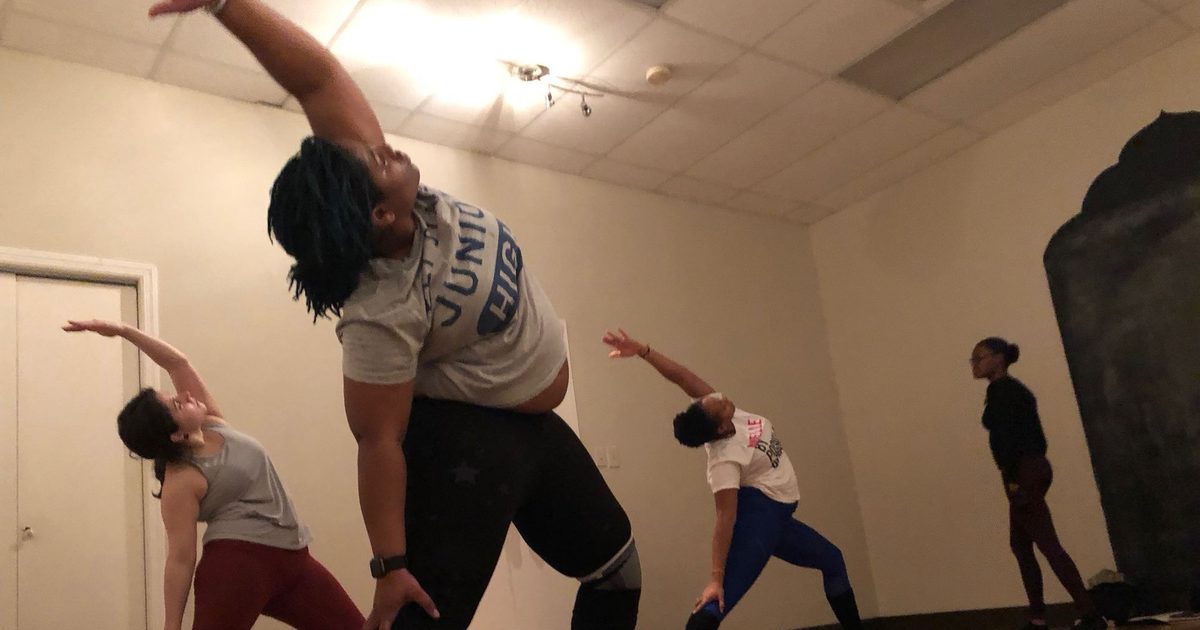
Asana and intelligent movement
This is the part everyone expects, but it goes deeper than learning poses. You’ll study alignment and biomechanics, which is really the study of how bodies move and why. You’ll learn safe sequencing (how to put poses in an order that makes sense for the body), how to offer modifications, and how to practice in a way that feels good in your own body. We also cover the foundations of Vinyasa Krama, the art of building a practice step by step.
The goal isn’t to make you more flexible. It’s to help you understand what’s happening in every pose, so you can practice and teach with care.
Yoga philosophy
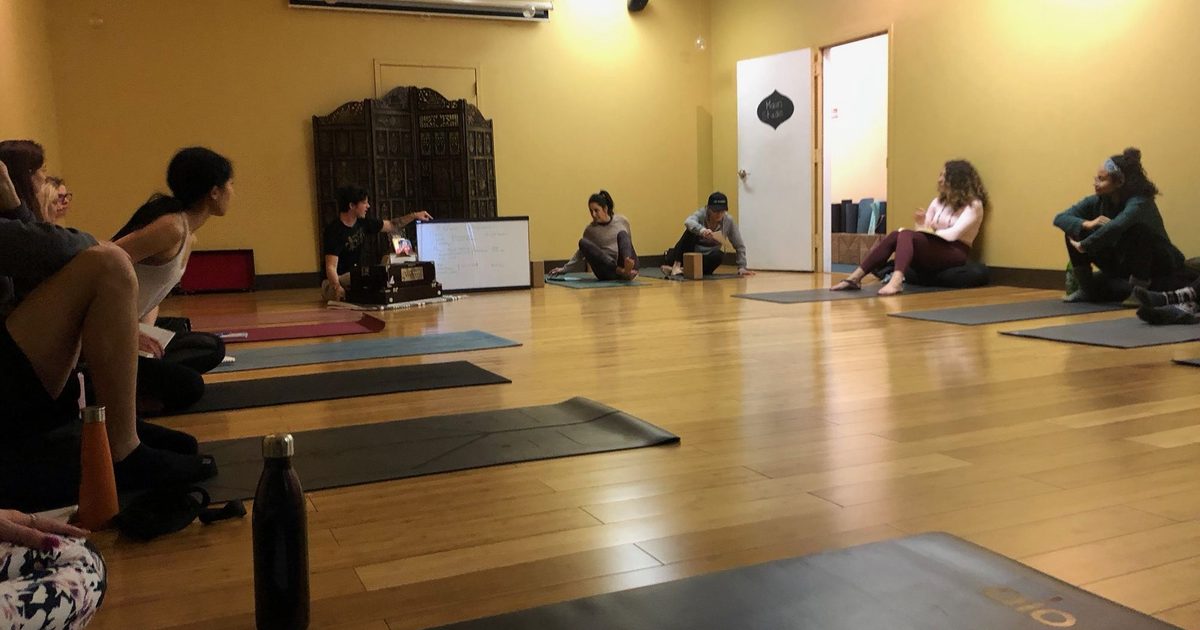
For many trainees, this is the module that surprises them most. We study the Yoga Sutras, ethics, history and the traditional teachings behind the practice, and we work hard to make them relevant to real, modern life.
What does non-harming look like in how you talk to yourself? What does contentment mean when your life is busy and imperfect? We read, discuss, question and apply. You’re encouraged to push back and stay curious. Good philosophy should hold up to questions.
Meditation and mindfulness
You’ll practice concentration techniques, awareness training and breath-centered meditation, and learn how these practices relate to the nervous system. Many trainees tell us this is the first time a meditation practice has actually stuck for them, because they finally understand what they’re doing and why.
Pranayama
Pranayama is the practice of working with the breath. You’ll learn a range of breathing techniques designed to build energy, focus, balance and awareness, and when each one is (and isn’t) a good fit. These are tools you’ll use in class and in daily life, like before a stressful meeting or at bedtime.
Anatomy and physiology
Don’t let this one scare you. We teach functional anatomy, meaning anatomy you can feel and use. Where does a movement come from? Which muscles are working in this pose? What’s going on when a student says their knee feels off? The focus is on keeping practice safe and intelligent, not memorizing a textbook.
Teaching methodology
This is where you learn the craft of teaching: how to sequence a full class, how to give clear cues, how to structure a class from opening to rest, and how to hold space for a room full of people. We also work on voice development (a lot of people are surprised how much this matters) and leadership skills.
Ayurveda and yogic lifestyle
Ayurveda is often called yoga’s sister science. In this module you’ll get an introduction to Ayurvedic principles, energetic balance, daily rhythms and conscious living. It’s practical. Most people start changing something about their mornings or meals within a few weeks.
Practice teaching
This is where it all comes together. You’ll teach, receive feedback, get mentorship and grow, first with your classmates and then in real classroom settings. Everyone is nervous the first time. By the end, most trainees are amazed at how natural it feels.
In our online programs, you submit practice-teaching videos and receive teacher feedback. In the online cohort and in-person hybrid, you also get personal mentorship on your teaching.
Kids yoga
You’ll learn the foundations of teaching yoga to children: age-appropriate sequencing, classroom management, games, storytelling and how to create a safe, joyful space for young practitioners. Even if you never teach kids, this module tends to make people better, more playful teachers overall. Parents often find it especially useful at home.
Prenatal yoga
A trimester-by-trimester look at practice for pregnant students, including modifications, contraindications, common discomforts and how to support someone through pregnancy with care. Pregnant students show up in regular classes all the time, so every teacher benefits from knowing this.
The Sound of Yoga
Mantra, kirtan, sacred sound, and the use of voice and music in practice. You’ll explore sound as a healing practice and a tool for settling the nervous system. Even people who don’t think of themselves as “singers” tend to love this one.
The Business of Yoga
The practical side of moving from student to professional: pricing, marketing, scheduling, ethics and scope of practice. Many trainings skip this. We think it’s essential if you ever want to teach in a way that’s sustainable.
What you learn that isn’t on the syllabus
Some of the most important things you’ll learn can’t be listed as a module.
You learn how to show up when you’re nervous. How to ask for help. How to be a beginner again. How to give and receive honest feedback with kindness. How it feels to be part of a group that genuinely wants you to succeed.
We say it often: this training is not simply about learning to teach yoga. It’s about learning to live it.
Who it’s for
You don’t need to be advanced. We welcome students with as little as six months of consistent practice. Some people come to teach professionally. Many come for personal growth, or to bring yoga into the work they already do as therapists, teachers, coaches and healers. Both paths are equally welcome.
The details
Our 200-hour program is a Yoga Alliance Registered School (RYS-200), and graduates can register as RYT-200. You can train three ways:
- Self-Led Online: start any time, up to 12 months to complete. $397 launch price through October 31, 2026 (regularly $777).
- Online Cohort: live online Sunday sessions with your cohort from October 2026, plus personal mentorship. $1,444 launch price through October 31, 2026 (regularly $1,777).
- In-Person Hybrid: in our Rockville Centre studio, starting Sunday, October 18, 2026. $3,333, with an $800 deposit to hold your spot. Payment plans, no-interest financing and scholarships available.
Have questions? You can request a free 20-minute call with one of our faculty members before you decide. If you’re also weighing the formats, we wrote a whole post on choosing between online and in-person training.
Ready to look closer?
The full program page has the curriculum, schedule, faculty, FAQs and enrollment for each path.