When my first baby was born, I spent way too many late nights scrolling toy lists. Every one of them said something different, and every one seemed to want me to buy thirty things. What I actually needed was someone to say: here is what your baby is working on right now, and here are two or three simple things that support it.
So that is what we built into our shop. We organized our kids’ toys by age, in small stages from birth to three, and chose each piece with Montessori-inspired thinking in mind: natural materials, real skills, one clear challenge at a time. Think of it as a curated play kit. We did the thinking so you don’t have to.
A quick note before we start. Every child moves at their own pace. These stages are loose guides, not deadlines. If your eleven-month-old is still happiest with the toys from the last stage, that is completely fine. Follow your child, and always check the age guidance on each toy.
Birth to 3 months: looking, listening, grasping
In these first weeks, babies are learning to focus their eyes, follow movement, and figure out that those hands belong to them. Simple, high-contrast things to look at and something to reach for during floor time go a long way.
- A wooden baby play gym frame with hanging pieces to gaze at and, later, swat.
- A wooden hanging grasping ring to hang within reach as those first grasps show up.
- A cotton educational playmat for tummy time and back time on the floor.
See the full stage: Birth to 3 Months
4 to 6 months: reaching, holding, cause and effect
Now the hands get busy. Babies reach on purpose, grab, shake, bring everything to their mouths, and start to learn that when they do something, something happens. Rolling often starts here too.
- A wooden bell cage made of beech that rings when it rolls, so it rewards a reach.
- Wooden rattles and a rolling bell for shaking, mouthing and passing hand to hand.
- A textured sensory ball set with different textures to squeeze and chase.
See the full stage: 4 to 6 Months
7 to 10 months: sitting, exploring, finding
Many babies are sitting well, starting to crawl, and working on picking up smaller things between thumb and finger. This is also when they begin to understand that things still exist when they disappear, which is why peekaboo suddenly becomes hilarious.
- A wooden shape sorter box with a sliding lid, which is basically peekaboo in toy form.
- A wooden touch and texture sensory toy for curious fingers.
- A wooden egg cup and box set for practicing put-in and take-out.
See the full stage: 7 to 10 Months
11 to 13 months: pulling up, stacking, first steps
Around the first birthday, children pull up, cruise along furniture, and some take first steps. Their hands are getting more precise, and they love to put things on, take them off, and do it all again.
- A wooden cylinder peg board for grasping and placing.
- A wooden wobbling stacker for stacking practice that forgives a wobbly hand.
- A pine wooden rainbow stacker, a piece that grows with them for years.
See the full stage: 11 to 13 Months
14 to 17 months: walking, fitting, figuring out
New walkers want to carry things everywhere. They also start solving simple problems on purpose: turn it, try again, fit it in. Early pretend play, like feeding a toy, often shows up here.
- A wooden peg puzzle with assorted shapes, with easy knobs for little fingers.
- A wooden ball tracker where they drop a ball and watch it zigzag down, again and again.
- Knit wool play fruits and vegetables for early pretend meals and carrying around in a basket.
See the full stage: 14 to 17 Months
18 to 22 months: sorting, words, helping
This stage often brings a burst of language and a strong desire to help with real things. Sorting by color and shape starts to click, and hands can handle more precise work.
- Wooden lacing beads for threading practice (supervised, since beads are small).
- A wooden acorn and cup sorting set for matching and transferring.
- Eco-Kids Eco-Dough in black, gray and white for squishing, rolling and early color mixing.
See the full stage: 18 to 22 Months
23 to 28 months: “I do it myself”
Two-year-olds want independence. Montessori calls this practical life: dressing, pouring, cleaning, cooking. Real skills in child-sized form build confidence like nothing else.
- Montessori dressing boards for buttons, zips and snaps.
- Child-size kitchen tools for peeling and cutting so they can help with snack prep (with you right there).
- A wooden sensory tea set for serving pretend tea to everyone in the house.
See the full stage: 23 to 28 Months
29 to 36 months: climbing, creating, imagining
Toward three, bodies want big movement and minds want big stories. Pretend play gets richer, art gets more intentional, and balance and coordination take a leap.
- A wooden Pikler-style climbing triangle for indoor climbing (always with an adult nearby, and check the listed age range).
- Blank wooden peg dolls to paint together and turn into a family, a village or characters for a story.
- A wooden toddler tabletop easel for drawing and painting at the table.
See the full stage: 29 to 36 Months
How to use this guide at home
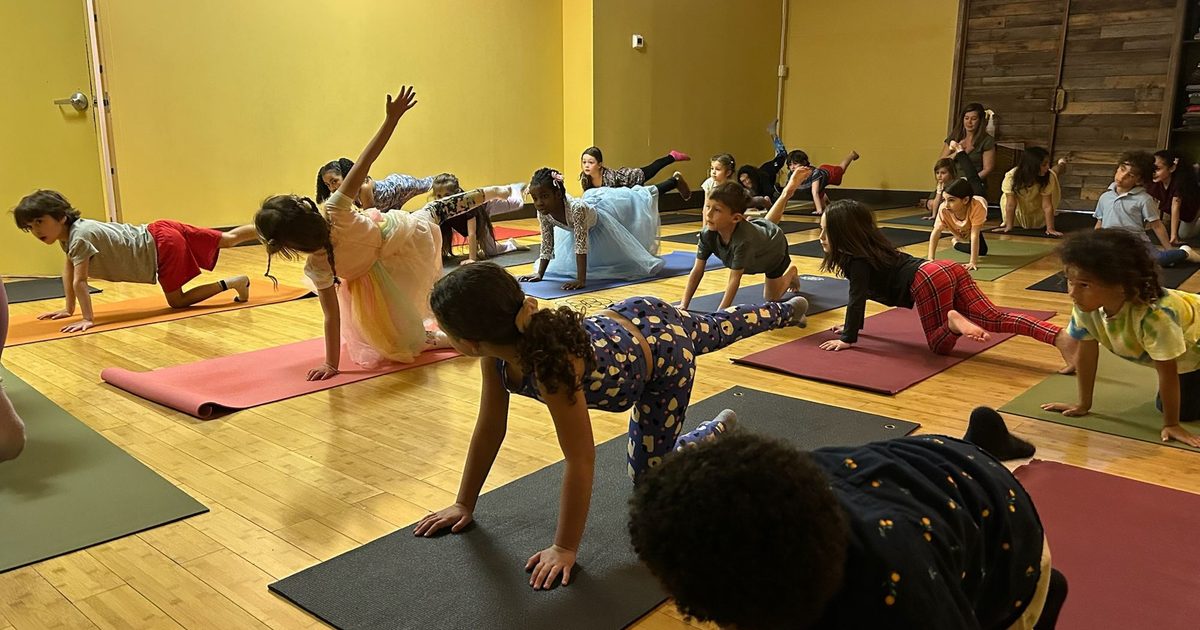
A few things I’ve learned at home and from watching toddlers in our Mommy and Me classes:
Put out less than you think. Two or three toys on a low shelf are easier for a small child to choose from than a full bin. Rotate every week or two.
Watch before you buy. If your child keeps trying to stack everything, a stacker is a better choice than a shape sorter, whatever the age says.
Stay nearby, stay quiet. Let them struggle a little. That moment right before they figure it out is where the learning is. Step in only if they’re truly frustrated.
Keep the older toys around. Toys from earlier stages often come back in new ways. A rattle becomes a shaker in a band. Blocks become food for the animals.
Build your child’s play kit
If you’d like help choosing, start with your child’s current stage in our Toys and Crafts collection, pick two or three pieces that match what you’re seeing at home, and let those be enough for now. When your child moves into the next stage, come back and we’ll have the next few ready.