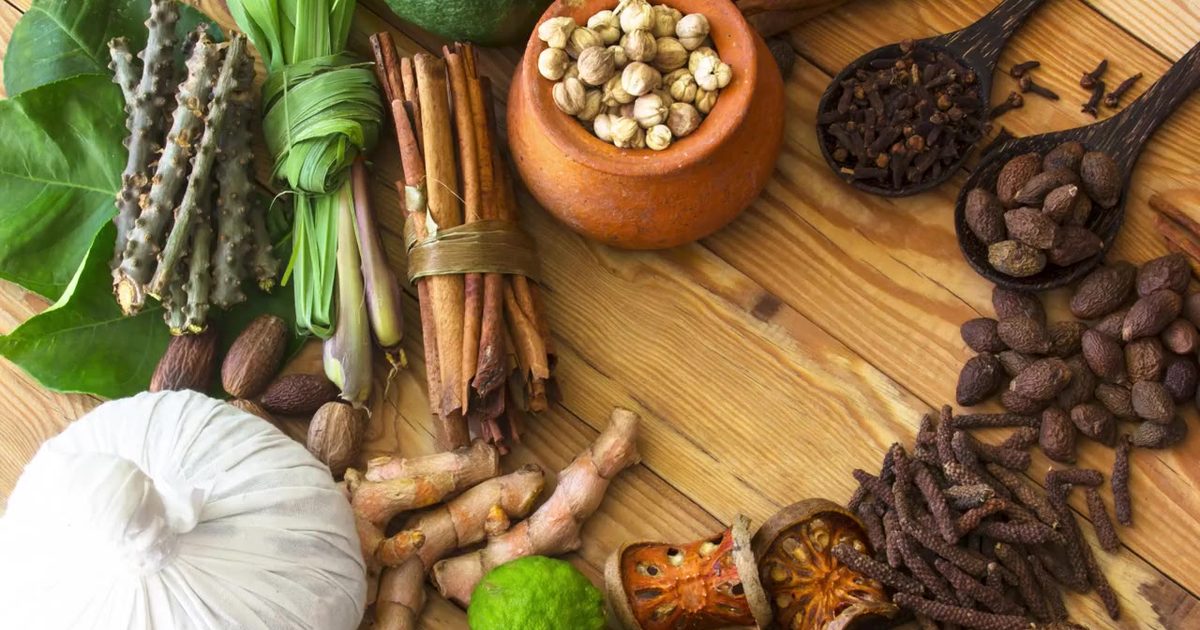
Every winter, it seems the news is full of concern about the viruses and infections making the rounds. When stomach bugs, respiratory infections and the flu start circulating through our studio community, I like to share some preventive and healing methods from Ayurveda to help us all cope with the cold season.
Ayurveda holds that when we stray too far from the natural, unique constitution we were born with, our immune system suffers. This can happen through the foods we eat, the products we use, the environment around us and our stress levels. So part of Ayurveda is not only boosting immunity but getting us back to our original state. Remember when you were a healthy, bright, energetic kid and really felt human? That feeling is available to you again, even if you haven’t felt it in years. It may take some coaching with an Ayurvedic practitioner, but it also starts with some simple changes for the season at hand.
Kapha season
Winter is kapha season, based in the elements of earth and water. Earth represents cohesiveness in the body: the ability to build tissue (we all tend to put on a little weight in winter) and the ability to protect. Kapha is found in the protective lining of the stomach and the soft, protective tissues of the brain. Kapha people have healthy, glowing, well-moisturized skin, strong bones, good fertility and the ability to put on weight easily. Water is anything fluid in the body. In nature you see heavy, wet snow falling from the sky, nurturing the seedlings and roots underground. It perfectly represents kapha.
We also feel how cold and slow the energy of this season is. You may find you get outside less, which means less vitamin D to support the immune system. Foods with natural vitamin D help; in Ayurveda, grass-fed dairy such as milk, yogurt and ghee is recommended. Or bundle up and get the sun on your face for at least 15 minutes a day.
Kapha out of balance becomes like sludge that blocks the channels. You feel this whenever you catch a cold: the congestion and cloudiness are signs of imbalance. So don’t let yourself get too cold. Cover your head and hands, get time on the mat daily to build a sweat that counterbalances the season, and counteract the heaviness of winter by getting up, out and moving, even on the days you really don’t want to.

Hygiene rituals
- Leave your shoes at the door. In Ayurveda we take our shoes off before entering the home or studio, so we don’t carry germs into the space.
- Wash your hands often, rubbing them together vigorously. Antibacterial essential oils like tea tree or lavender are lovely additions to a natural hand wash, and a natural disinfecting spray is handy to keep nearby.
- Keep your hands away from your eyes and mouth unless you’ve just washed them. This is one way microbes enter the sanctum of your body!
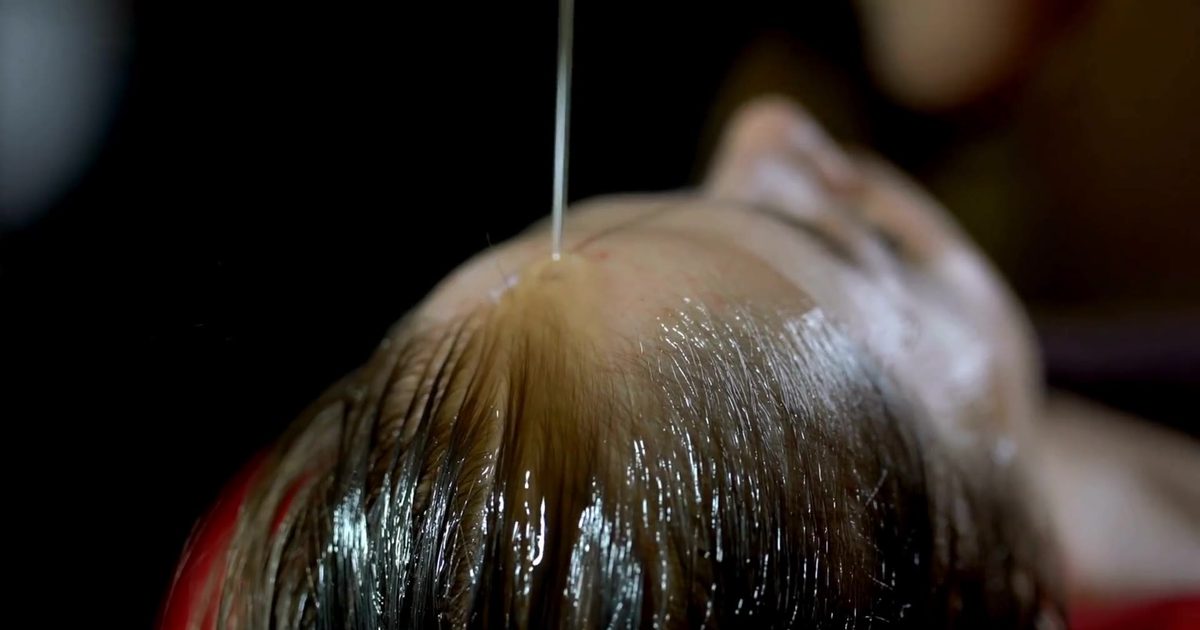
- Abhyanga (oil massage) after the shower keeps the cold season from drying out the skin and helps protect it. Choose an oil suited to your constitution; coconut works well for most people.
- Nasya. When people around us cough and sneeze, the nose takes the brunt of filtering what we breathe in. We breathe through the nose during asana practice partly for this reason. Off the mat, start your morning with nasya: a little oil rubbed on the inside of the nostrils, or a few drops placed in them. This coats the nostrils with an extra protective layer.

Prevention: diet and chyavanprash
Eating a balanced diet for the season, with warming, easily digestible foods, is so important for keeping immunity up. Ayurveda also offers a powerhouse immunity tonic called chyavanprash. It’s made with amla berry, which is high in vitamin C and many other minerals and nutrients, along with immune-supporting and digestion-balancing herbs. Half a teaspoon a day with warm milk or plant milk helps keep the immune system functioning well.
Once you’re sick
A get-better tea
Simmer turmeric, dried sage, Indian bay leaf, black seed (black cumin), coriander seeds and thyme, then serve in a mug with a fresh lemon wedge, fresh ginger slices and a little raw honey. Each ingredient is packed with healing qualities. Even as a preventive, it’s wonderful to sip turmeric, ginger, lemon and honey tea throughout the day. Tulsi (holy basil) tea is another great option for supporting the immune system.
Kitchari (a healing mung bean stew)
- ½ cup basmati rice
- 1 cup split yellow mung dal
- 2 teaspoons turmeric
- 1 tablespoon grated fresh ginger
- 2 tablespoons ghee
- 6 cups water
- A handful of cilantro leaves
- 1 to 2 cups chopped vegetables (optional)
Rinse the rice and dal well, then cook everything together for 20 to 30 minutes, until soft and porridge-like. Kitchari is a mono-diet: eating simply lets digestion rest so the body can focus its resources on healing.
Essential oils
It’s best to use the oils suited to your constitution, and always check which are safe if you are pregnant or have young children in the house. These are wonderful to diffuse, or to dilute in a carrier oil and rub on the soles of the feet: cinnamon, thyme, rosemary, lavender, lemon, sweet orange, myrrh, frankincense, eucalyptus and tea tree.
Stay home and rest
To protect the community: if you are sick, coughing or sneezing, please stay home and rest rather than coming to class. Colds spread like wildfire and can circle right back to reinfect you. Many immunocompromised people practice yoga, and a cold that affects you for a few days can level them for weeks. If you do find yourself in public, cough into your inner elbow, always cover your sneezes, and wash your hands before touching shared surfaces.
Wishing you a healthy, happy season. If you’d like personalized guidance, our Ayurveda practitioners are here to help.
Ayurvedic practices are traditional wellness practices, not medical care. If you are ill, please follow your healthcare provider’s guidance.